By Ilse Wolfe, founder of Wolfe Property. Last updated 30 September 2026.
If you are in your 50s, own your home, and have no plan for where your income will come from once you stop working, you are not behind. It is more normal than you might think. And you have more options than you have been told.
This article covers what the retirement income gap actually looks like in New Zealand in 2026, why the standard advice does not work once you are past 50, and how one of our clients went from no plan to five rental incomes in 12 months using one deposit and the equity they created along the way.
How big is the retirement income gap in New Zealand?
NZ Super pays a couple $854 a week after tax combined from 1 April 2026. Massey University's 2025 Retirement Expenditure Guidelines put a two-person lifestyle in a metro area at $1,740 a week. That leaves a gap of roughly $886 a week, or about $46,000 a year, that has to come from somewhere else.
Even a no-frills metro lifestyle costs $910 a week, which is still more than Super pays. Massey estimates a couple needs a lump sum of $1,142,000 at 65 to fund the choices lifestyle for a normal retirement.
Most people in their 50s do not have that. Among KiwiSaver members aged 51 to 65, 17% have less than $10,000 in their account, according to the Retirement Commission's analysis of balances at December 2024. The average balance across all members is $37,000.
What many of them do have is a house that is largely paid off. That is the asset the rest of this post is about.
Why the standard advice fails after 50
The standard advice for building retirement wealth through property is to buy a rental, hold it, and let capital growth do the work. It is not bad advice. It is advice for a 35 year old.
At 50 you may have 15 working years left. At 55 you may have 10. Capital growth in New Zealand runs in cycles, and a flat cycle can last five to ten years. If you buy one standard rental at 52 and wait for the market, you might have enough equity to buy your second at 60. That is not a retirement plan. That is a hope.
The people I work with in their 50s need a strategy that creates equity and cashflow now, not one that waits for the market to hand it to them. That means buying properties where you can add value through renovation, extra bedrooms, or additional dwellings, so the property is worth more and rents for more within months, not years.
Case study: from no plan to five rental incomes in 12 months
Our clients in this story were in their 50s. They had left their home country and started again in New Zealand, which meant they didn't have decades of capital growth behind them and no family property to lean on. They owned their home. They had three children. And once the work stopped, they would have had no income.
They had a deposit for one property. And one property wasn't going to be enough to support them. They needed a way to super-charge their progress.
What follows is how one deposit became three properties and five rental incomes in 12 months.
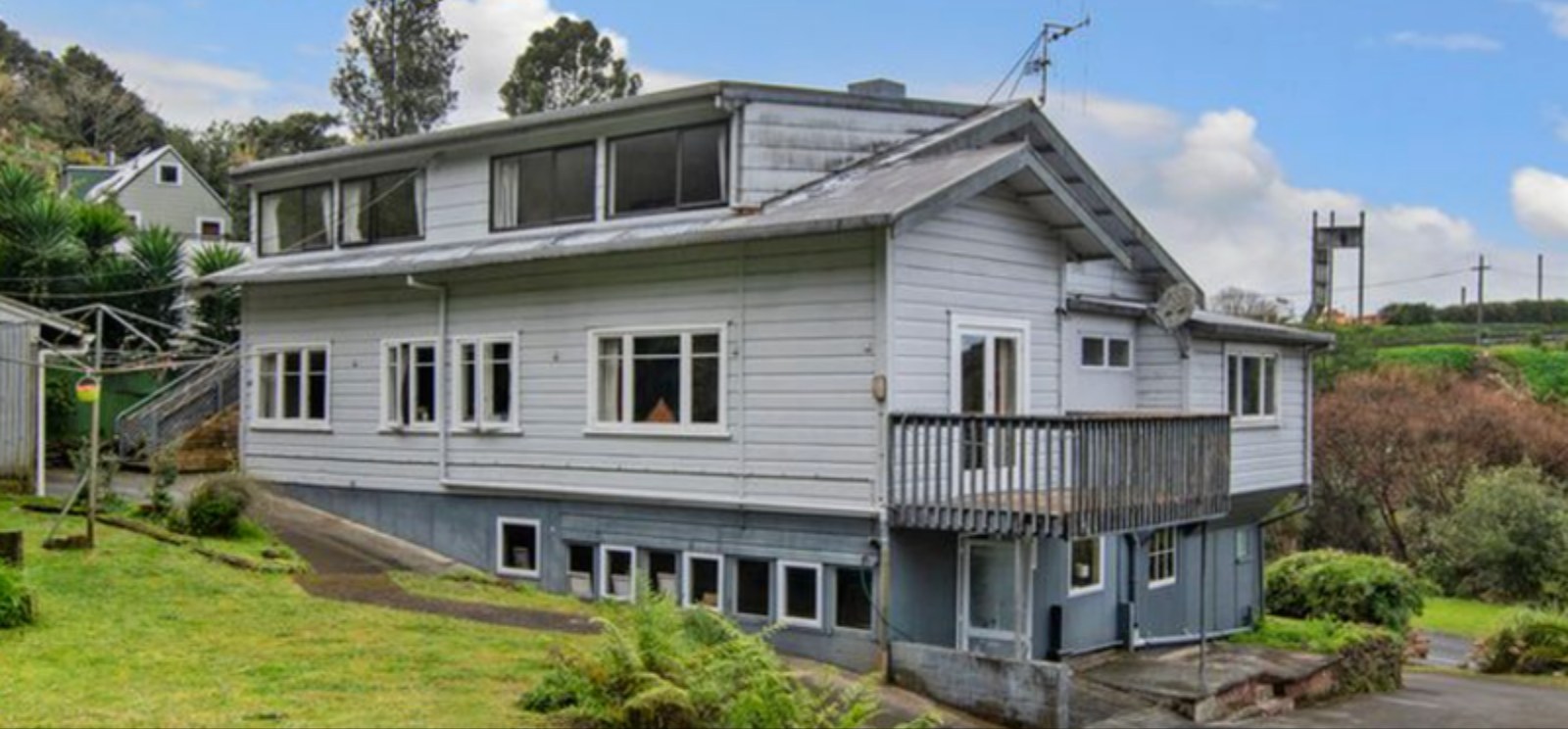
Deal 1: a steep corner section nobody else valued. A 3 bedroom home became a 4 bedroom home through a renovation, and a cabin on the site made it 5 bedrooms in total. Rent went from $440 to $750 a week. The property was revalued, and the equity created funded the next purchase.
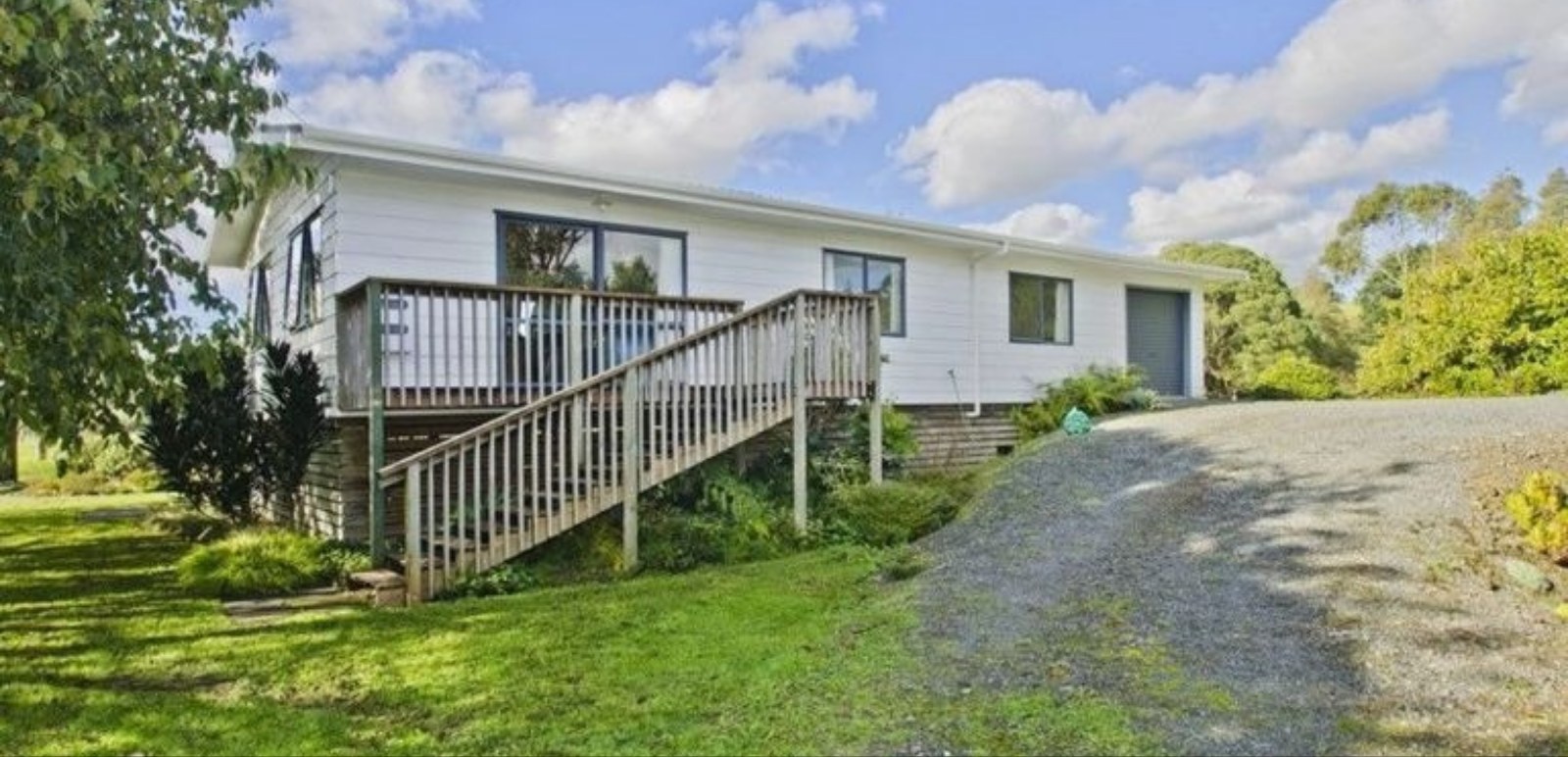
Deal 2: an ordinary house turned into a cashflowing asset. A 3 to 4 bedroom Cashflow Hack. Nothing about it stood out from the street, which is why nobody else was competing for it. Rent went from $520 to $680 a week. Again the equity was pulled out to fund the next deal.
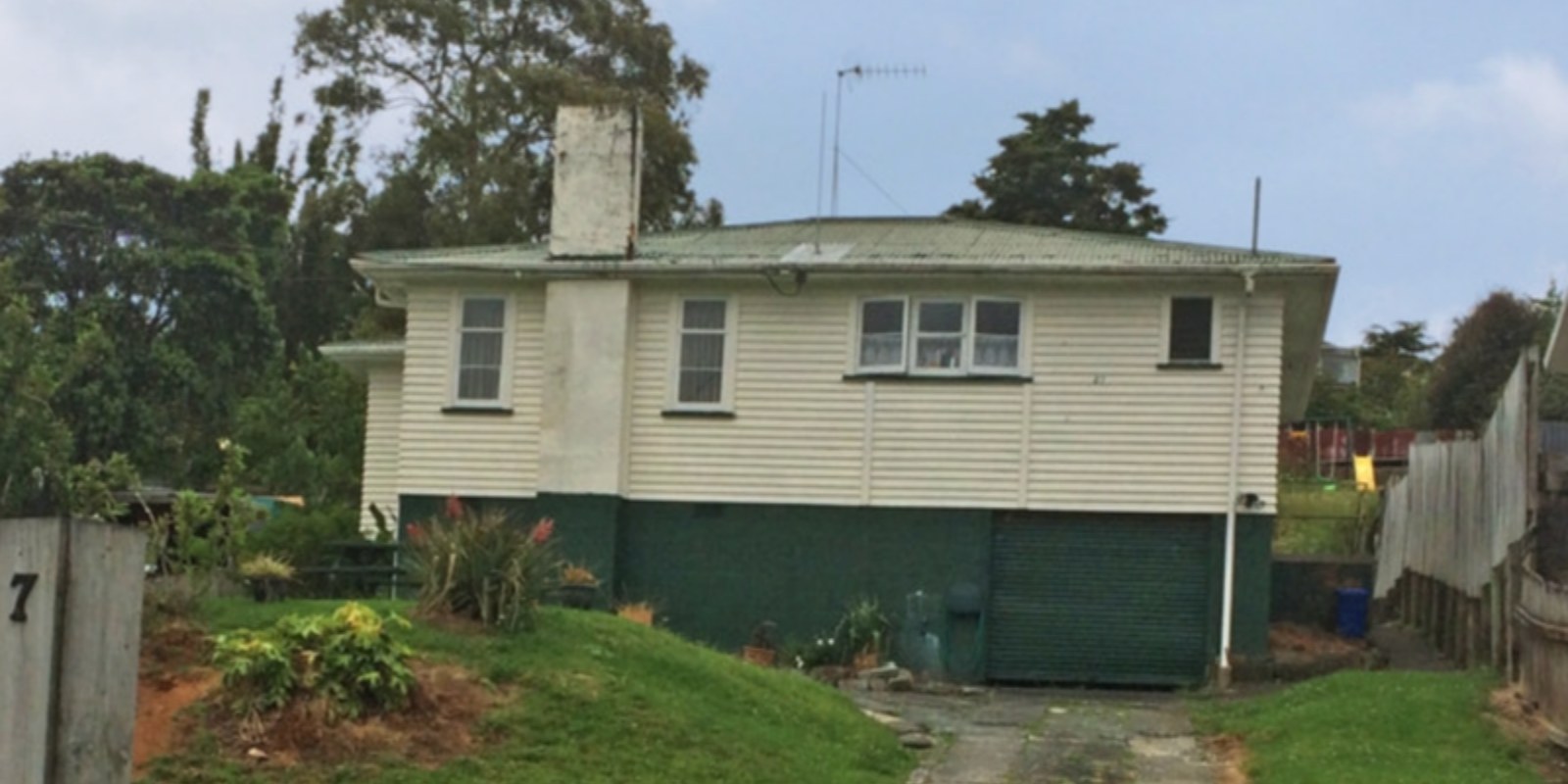
Deal 3: a three storey building in the CBD. Two rentals where bedrooms were added, plus a floor that had been tenanted as storage, turned one building into a triple income asset. Rent went from $790 to $1,680 a week.
| Deal | What was done | Rent before | Rent after |
|---|---|---|---|
| 1. Steep corner section | 3 to 4 bed reno plus cabin, 5 beds total | $440 pw | $750 pw |
| 2. Ordinary suburban house | 3 to 4 bed Cashflow Hack | $520 pw | $680 pw |
| 3. Three storey CBD building | Bedrooms added, storage floor tenanted, three incomes | $790 pw | $1,680 pw |
| Total | Three properties, five incomes | $1,750 pw | $3,110 pw |
The important line in that table is not the total. It is the fact that the same deposit bought all three. Each property was bought with the equity created in the one before it. Renovate, add bedrooms, lift the rent, get it revalued, refinance, buy the next one. That is the strategy, and it is the only reason three deals happened in a year instead of one deal happening in a decade.
Why adding value is what made the timeline possible
If our clients had bought a standard rental at market value and waited, they would own one property today. They would be five to ten years away from having enough equity to buy the second. In their 50s, those are years they did not have.
Adding value collapses that timeline. When you take a property from $440 to $750 a week in rent, the bank values it differently, and the difference is equity you can use now. When you turn a storage floor into a third income, you have created value that did not exist when you bought the building. That is the difference between a portfolio that compounds faster than the calendar and one that waits for it.
The second benefit: a plan for the kids
Retirement was the reason our clients started. Somewhere in the middle, the goal changed. As the portfolio grew, they could see what it would mean for their three children to inherit income-producing assets rather than start from zero the way their parents had. The plan became two plans: a retirement that does not depend on a pension, and a foundation their kids can build on.
That is worth saying to anyone in their 50s who feels they are doing this late. The portfolio you build now does not stop working when you do.
Is 50 too late to start?
No. 50 is probably too late to buy one negatively-geared townhouse and wait for capital gains. It is not too late to buy properties you can add value to, create equity, and buy again. Our clients started in their 50s with one deposit and had five rental incomes inside 12 months.
What to do if this is you
If you own your home, are in your 50s, and have no clear plan for income after work, the first step is to find out how much usable equity you actually have and what it could do. That is a 30 minute conversation.
Common questions
Is it too late to start a retirement plan at 50 in New Zealand?
No. It is too late to buy one rental and wait for capital gains. It is not too late to buy properties you can add value to, create equity, and buy again. Our clients started in their 50s with one deposit and built five rental incomes in 12 months.
How much does NZ Super pay a couple per week in 2026?
From 1 April 2026, NZ Super pays a married couple where both qualify $854.08 a week after tax combined, or $1,708.16 a fortnight. A single person living alone receives $555.15 a week. Most retirees need income on top of this.
How much do you need on top of NZ Super to retire comfortably?
Massey University's 2025 Retirement Expenditure Guidelines put a two-person "choices" lifestyle in a metro area at $1,740 a week. With NZ Super paying $854 a week, that leaves a gap of around $886 a week, or roughly $46,000 a year, to be funded from savings or other income.
Can you use the equity in your home to build retirement income?
Yes. Usable equity in your home can fund the deposit on an investment property. If that property is bought where value can be added through renovation or extra bedrooms, the equity it creates can fund the next purchase. This is how our clients turned one deposit into three properties.
How long does it take to build rental income if you start at 50?
It depends on strategy. Buying one rental and holding it typically takes five to ten years before enough equity exists to buy again. Buying properties you can add value to, then refinancing, compresses this. Our clients went from zero to five rental incomes in 12 months.
What is the fastest way to build passive income before retirement in NZ?
Buy properties with a value-add opportunity, renovate, lift the rent, get the property revalued, then use the new equity to buy the next one. This is the BRRRR strategy. It creates equity and cashflow now rather than waiting for capital growth.
Ilse Wolfe is the founder of Wolfe Property, a New Zealand property investment coaching business. Her clients use the BRRRR strategy and the Cashflow Hacking method to build cashflowing portfolios from the equity in their homes.