
Why Most Property Investors Get Stuck After One Property
You bought your first investment property. The next one feels further away than it should. You're not imagining it.
At Wolfe Property Coaching, we work with New Zealand investors at every stage of their journey. And one pattern shows up more than any other: the investor who did everything right the first time, and still finds themselves stuck.
Here's why it happens - and how to make sure it doesn't happen to you.
The Growth-Only Trap
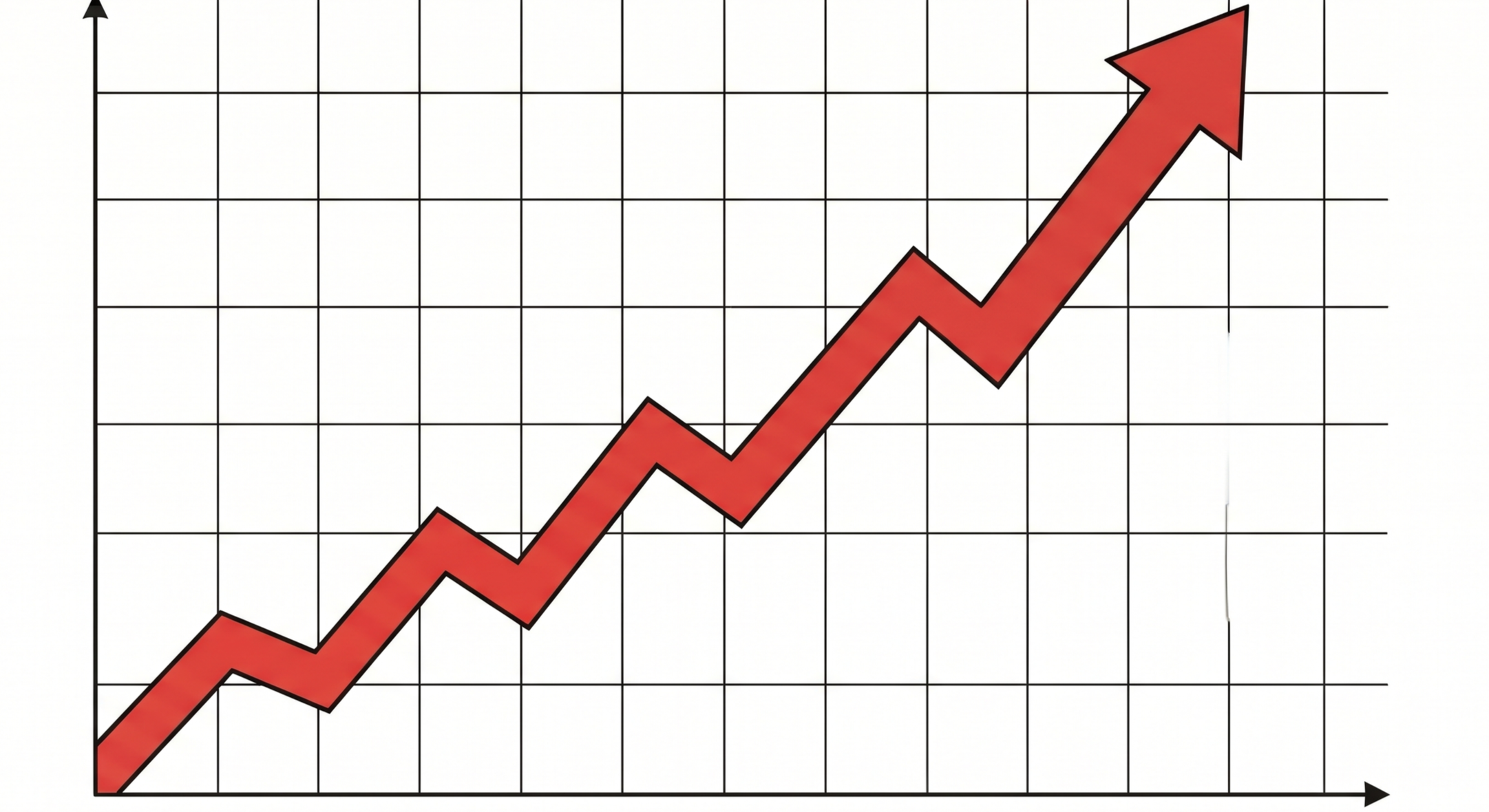
Most first-time property investors buy for capital growth. They find a well-located property in a strong suburb, hold it, and wait for values to rise. On paper, this looks like a textbook move.
But here's what the textbook often leaves out: what that property costs you every single week.
Rates. Mortgage top-ups. Insurance. Maintenance. These holding costs are easy to underestimate when you're focused on the five- or ten-year upside. But they don't wait. They come out of your account week after week, quietly doing damage to your ability to keep moving.

Your First Property Might Be Funding Itself…At Your Expense
A negatively geared investment property doesn't just cost money. It costs you your next deposit.
Every dollar going toward holding costs is a dollar not going into savings. Every week of negative cashflow pushes your next purchase further into the future. And when you eventually go back to the bank, that property affects your lending position - making it harder, not easier, to borrow again.
This is the trap. The property isn't just sitting there growing. It's actively slowing your portfolio down.
How Cashflow-Focused Investors Keep Moving
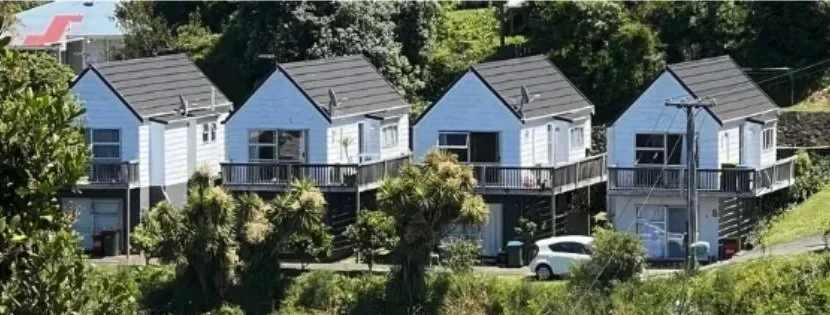
The investors who successfully build multi-property portfolios share a common approach: they don't just buy for growth. They buy property that helps them keep buying.
That means looking for assets that carry themselves …or better yet, put money back in each week. Strategies like Cash Flow Hacking, room-by-room rental structures, and home-and-income configurations can turn a standard buy into a cashflow-positive holding from day one.
This isn't about sacrificing growth. New Zealand's strongest performing regions can still deliver solid capital gains. It's about staying in the game long enough for that growth to do its work.
Why This Matters More in Today's Lending Environment
New Zealand's lending landscape has tightened significantly in recent years. Debt-to-income ratios, stricter serviceability tests, and higher interest rates mean banks scrutinise your existing portfolio more carefully than ever before.
A property that costs you money each week doesn't just hurt your savings, it can actively reduce the amount a bank is willing to lend you next time. A cashflow-neutral or cashflow-positive property, by contrast, can actually improve your borrowing position.
The investors we work with in our Accelerate and Boardroom programmes understand this distinction early. It's often the single biggest shift in how they think about property selection.
The Question to Ask Before Every Purchase
Before you commit to any investment property, ask yourself:
What does this property cost me every week, including all holding costs?
Does that weekly cost make my next purchase harder or easier?
Is there a strategy, a different structure, a different region, a different property type, that could achieve similar growth with better cashflow?
If the answer to question two is "harder," it's worth pausing. The deal that looks best on paper isn't always the deal that builds your portfolio fastest.
Ready to Build a Portfolio That Keeps Moving?
At Wolfe Property Coaching, we help New Zealand investors find and structure properties that work.
If you're feeling stuck after your first property, or you want to get your strategy right before you buy, get in touch.
