
11 Property Investment Lessons I Learned the Hard Way

Twenty years. Hundreds, if not thousands of properties.
More lessons than I can count.
If I could go back and hand myself a cheat sheet on day one, this would be it.
These are the 11 things I wish someone had told me before I bought my first investment property…These are the principles that separate investors who build real wealth from those who spend years spinning their wheels.
Lesson 1: Renovate to Add Value
The days of buying and hoping the “market does the work” are long gone.
Passive capital growth was a strategy that worked for a generation of investors who had the good fortune of riding one of the longest property booms in New Zealand's history. That window has largely closed. Today, the investors winning are the ones who manufacture their own uplift - through targeted renovation, smart repositioning, and strategic cashflow improvements.
Waiting for the market to do the work is no longer a plan. It's a hope.

Lesson 2: Target Cashflow, and Capital Gains Will Follow
But the opposite is not always true.
Income-producing properties build wealth you can actually live on. When you focus on cashflow from day one, you create an asset that works for you immediately - covering its own costs, freeing up your borrowing capacity, and compounding over time.
Properties bought purely for capital growth often don't deliver. And while you're waiting, they're costing you money every single week.
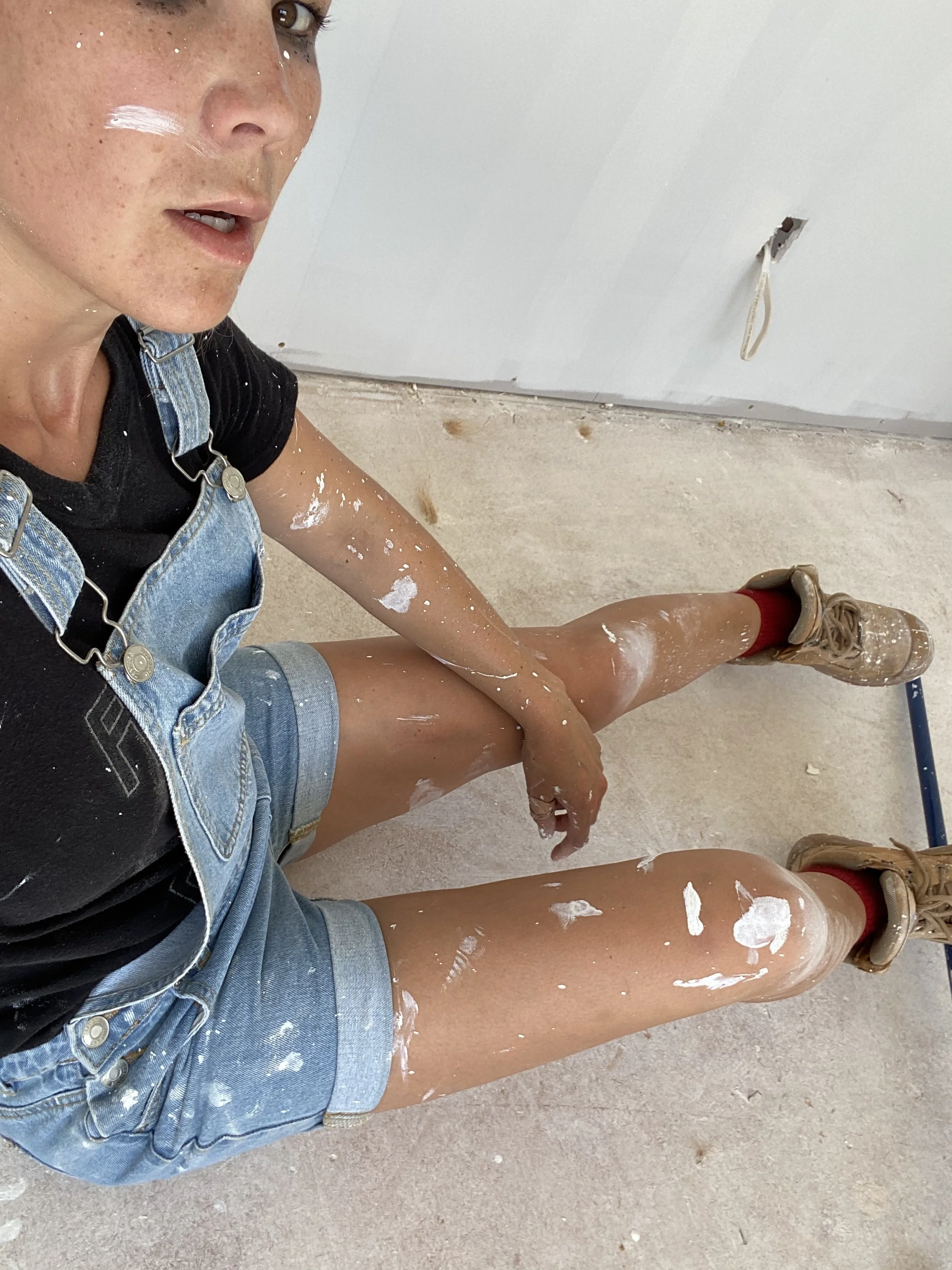
Lesson 03: Your Backyard Is Rarely the Best Market to Invest In
Especially if you live in Auckland.
It can be tempting to invest close to home - somewhere familiar, somewhere you can drive past. But familiarity isn't a strategy. Around 80% of our clients invest outside their home city, because that's where the best yields actually are.
The regions consistently deliver stronger cashflow returns than the major metros. Let the numbers lead you to the market, not your postcode.
Lesson 04: When Renovating, Only Spend on What Increases the Rent
Every dollar spent on a renovation should translate to higher income.
This is the discipline most investors miss. It's easy to spend on things that look nice - and easy to rationalise that spending as "adding value." But if a improvement doesn't directly lift the weekly rent or meaningfully improve the yield, it doesn't belong in the renovation scope.
Ask the question before every line item: does this increase the rent? If the answer is no, don't do it.
Lesson 05: Every Property Must Be Cashflow Positive from Day One
It's the only sustainable way to scale.
Negative cashflow kills your ability to keep buying. Each loss-making property you add to your portfolio narrows your borrowing capacity, drains your reserves, and ties up energy managing a liability instead of an asset.
Cashflow-positive properties do the opposite. They expand what's possible. They allow you to hold indefinitely, weather market fluctuations, and keep growing without needing a salary top-up to survive.
Lesson 06: If Your Broker Says You Can Buy - Buy
Being pre-approved. There are no sweeter words in property investment.
Bank lending criteria and government policy can change quickly and without warning. The window you have right now is not guaranteed to be open tomorrow. If you have finance approval and a deal that stacks up, don't wait for conditions to feel more certain. They rarely do.
Act when you have the green light.
Lesson 07: Do All Due Diligence Before Going Unconditional
Complete your building reports, renovation estimates, and rental appraisals during the due diligence period - not after.
Surprises after you've gone unconditional are expensive. The time to uncover issues, negotiate, or walk away is before you're legally committed to the purchase. A thorough due diligence process is not just good practice - it's what separates confident investors from stressed ones.
Know exactly what you're buying before you sign.
Lesson 08: Don't Settle for 3–5% Gross Yields Like Most Investors
Eight to ten percent is achievable. The difference is not luck - it's network, education, and strategy.
Most investors accept the yields the market hands them. They buy what's listed publicly, at the prices advertised, and end up competing with every other buyer in the market. The result is average returns.
Investors who consistently achieve 8–10% gross yields are doing something different. They're accessing off-market deals, applying renovation strategy, and leveraging relationships that the average buyer doesn't have. That edge is learnable.
Want to see what those deals actually look like? Browse our real client case studies →
Lesson 09: Emotion Is the Enemy When Evaluating a Deal
Property investment is a numbers game. Full stop.
It doesn't matter if you love the villa. It doesn't matter if it feels like the right street, the right neighbourhood, or the right moment. If the numbers don't stack up, walk away. Every time.
The properties that feel the most exciting are often the ones that make the least financial sense. Build a criteria framework, run the numbers, and let that (not your gut) make the call.
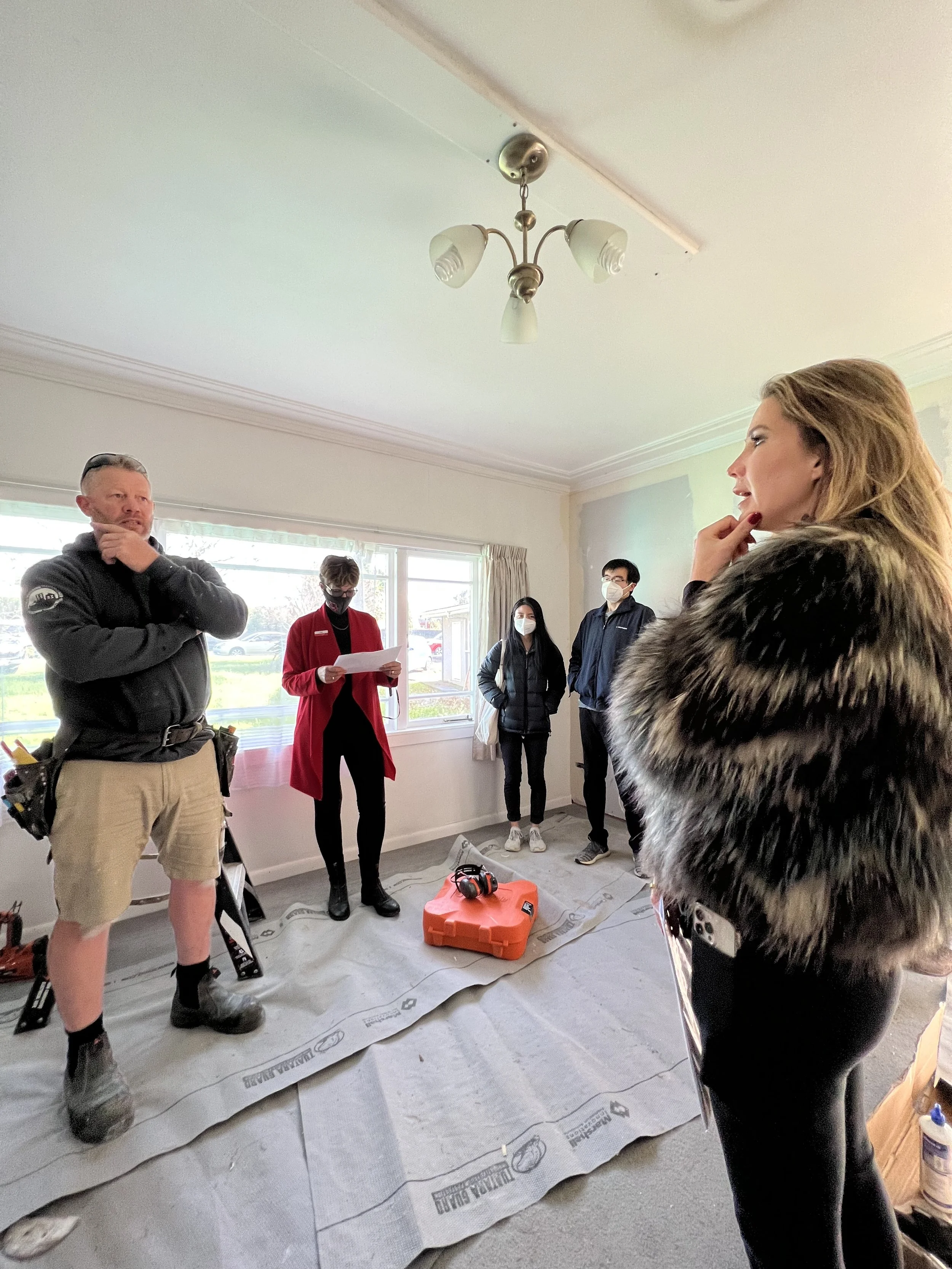
Lesson 10: Your Team Is Your Competitive Advantage
Builders, brokers, property managers, deal-sourcers, lawyers, accountants. The people around you can either handbrake or accelerate your property journey.
Most investors underestimate this. They focus on the property itself and treat the team as a necessary admin task. The investors who move fastest - and make the fewest costly mistakes - are the ones who invest as much in their relationships as they do in their properties.
The right team gives you access, speed, and confidence that simply isn't available to those working alone.
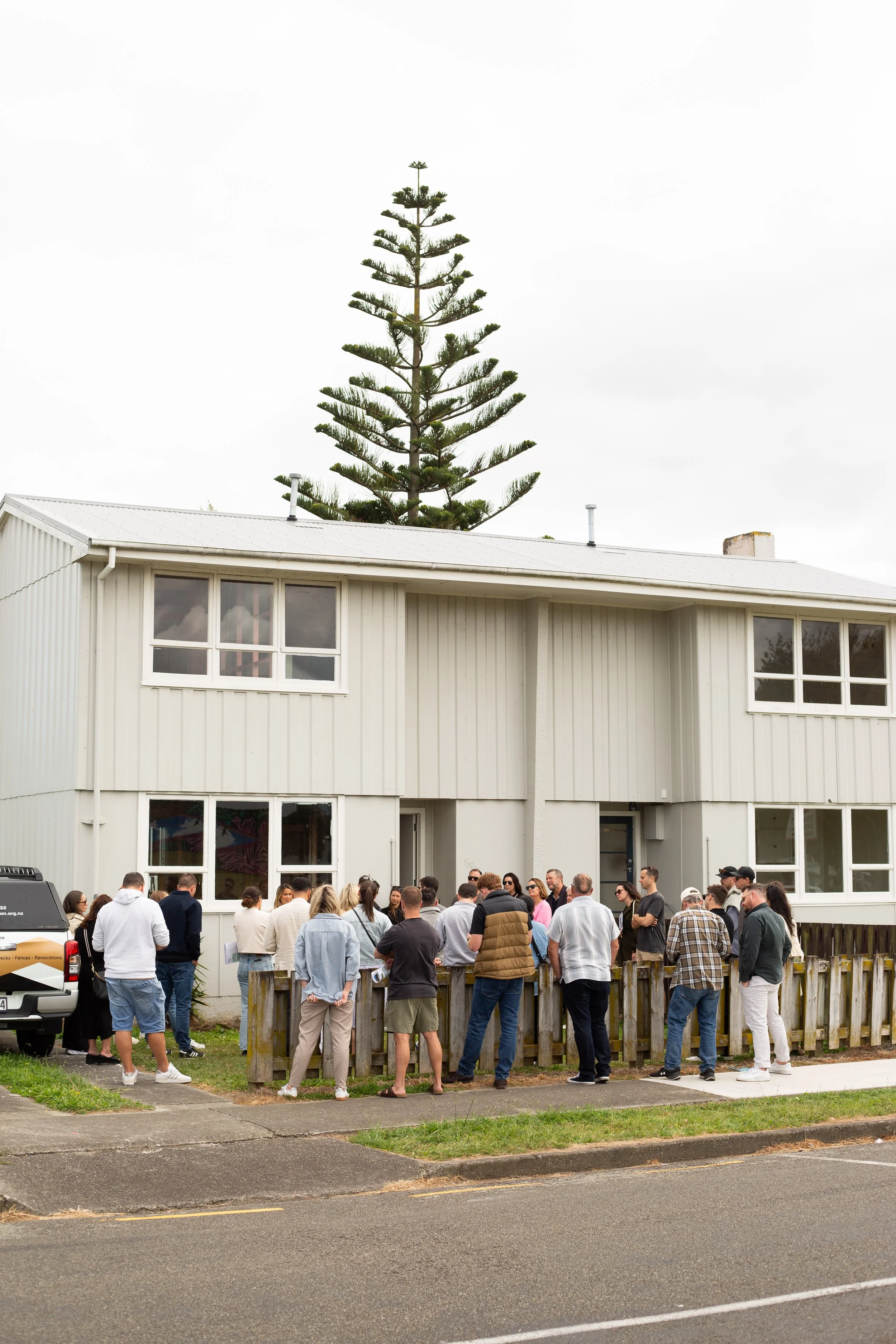
Lesson 11: The Investors Who Win Didn't Wait for Perfect Conditions
The market always has headwinds. And it always has tailwinds. There is no perfect time.
Interest rates, election cycles, lending restrictions, economic uncertainty - there will always be a reason to wait. The investors who build substantial portfolios are the ones who stopped waiting for perfect and started executing with the right strategy.
Get clear on your strategy. Get the right team around you. Then start - and keep going.
Ready to Stop Learning the Hard Way?
These lessons took 20 years to accumulate. They don't have to take you that long.
Whether you're buying your first investment property or looking to optimise an existing portfolio, the fastest shortcut is talking to someone who has already made the mistakes - and built a system around avoiding them.
See the real results our clients are achieving on our case studies page - then book a call when you're ready to talk about your own situation.
